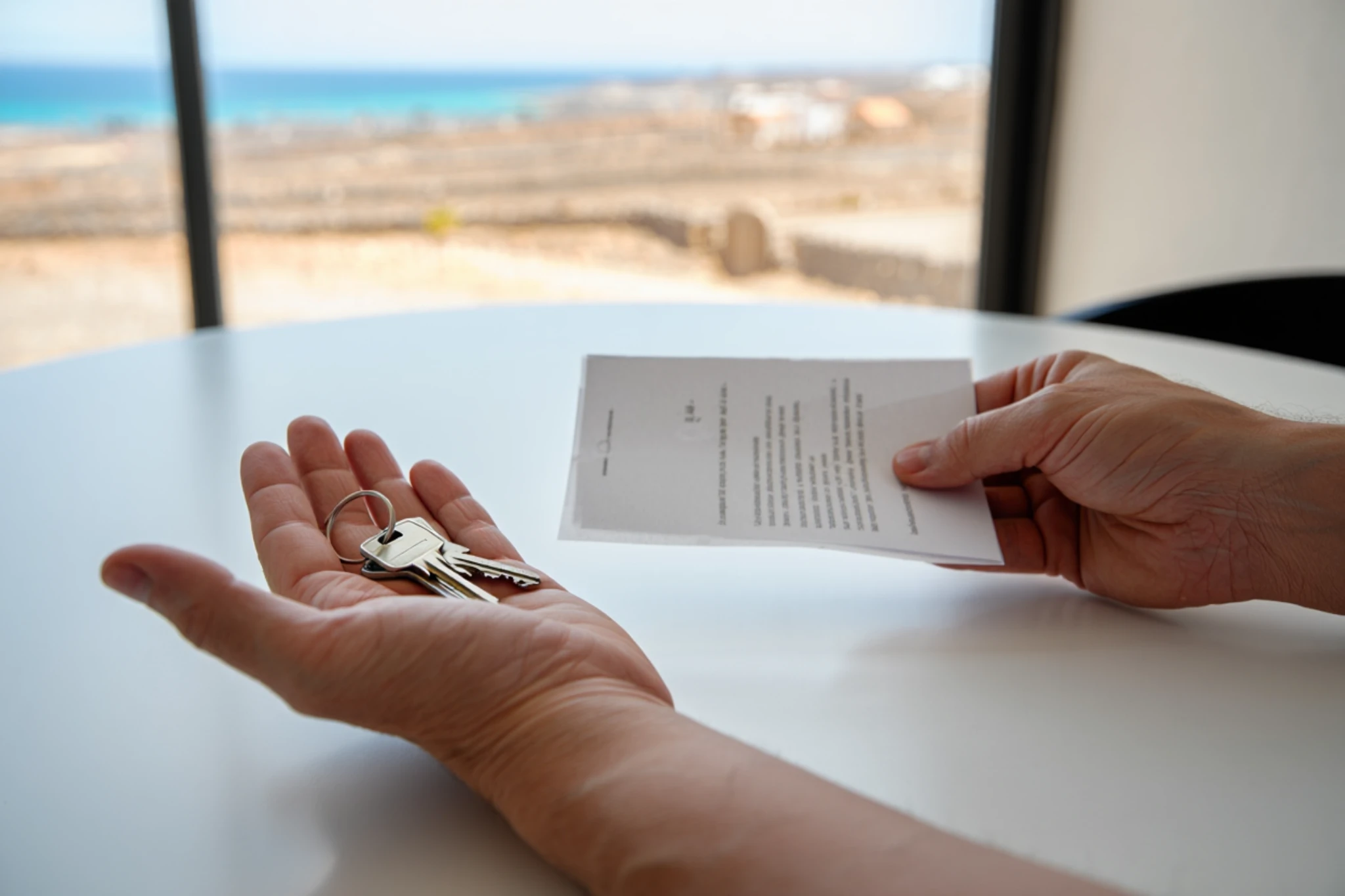
When it comes to real estate investments in the Canary Islands, the focus is often on the climate, returns, and tourism.
Much less attention, however, is paid to an aspect that becomes crucial over time:
the practical management of properties in compliance with local regulations.
Because buying is just the first step.
Managing—over time—is what really makes the difference.
How Condominiums Work in the Canary Islands
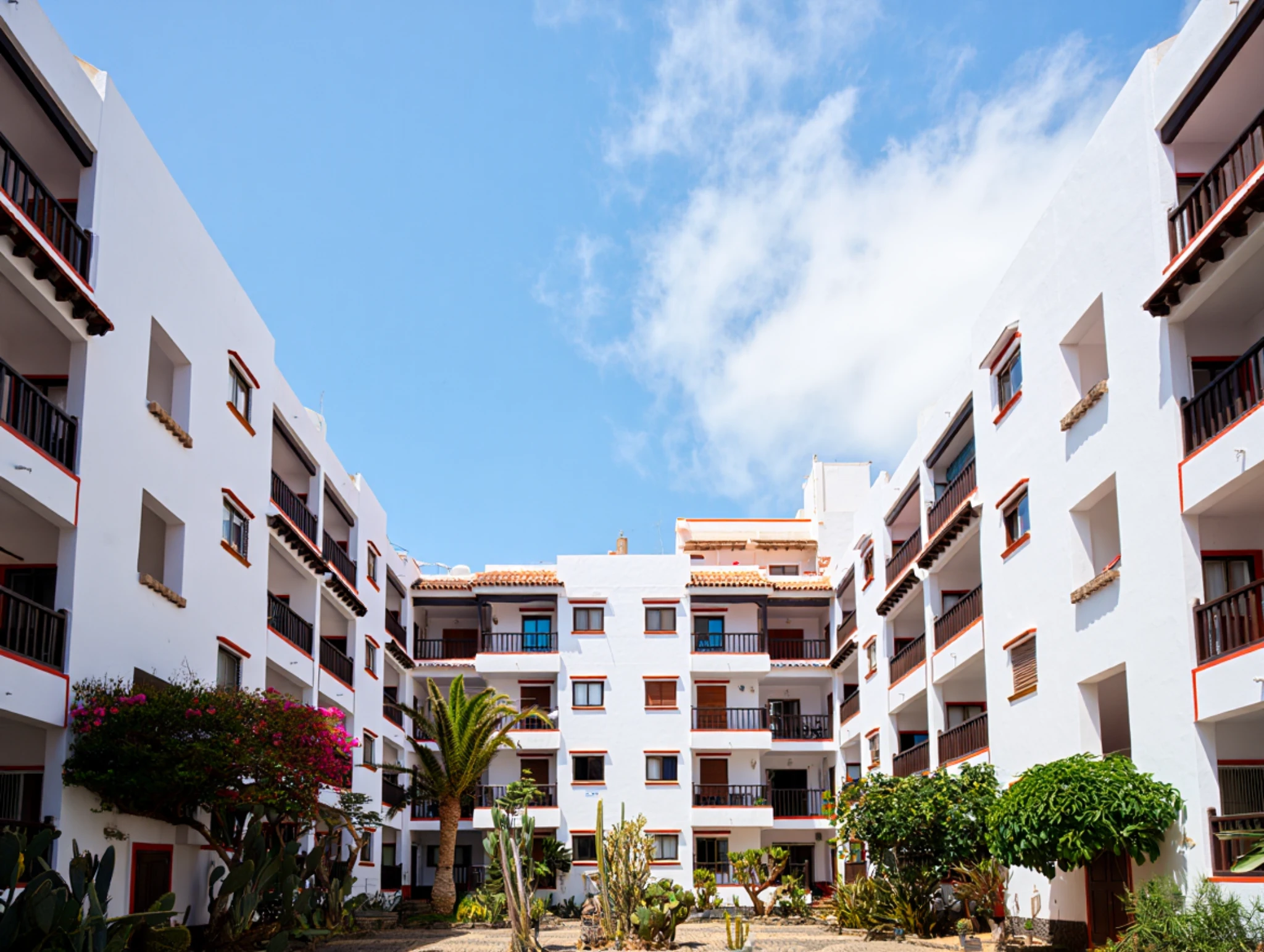
In the Canary Islands, every residential building is organized as a comunidad de propietarios, a community governed by specific rules that regulate coexistence and the management of common areas.
Every condominium must have:
- internal bylaws
- rules regarding the use of common areas
- criteria for the allocation of expenses
- an administrator or a management body
These elements ensure transparency, but above all continuity.
For property owners, this means something very concrete:
decisions are never made individually, but collectively.
Decisions, Timelines, and Operational Reality
Major interventions—such as extraordinary maintenance or structural modifications—must be approved by the owners’ meeting.
On paper, it’s a clear system.
In practice, it can become more complex.
- Approval timelines
- Required majorities
- Coordination among owners
In the meantime, however, the property continues to be used.
And without constant monitoring, small issues can turn into more complex and costly repairs.
The less visible side: day-to-day management
Beyond the formal aspects, there is a more practical dimension: that of day-to-day management.
Use of common areas, adherence to rules, minor maintenance tasks, cleaning.
These are activities that rarely make the news,
but which determine the property’s true quality over time.
And here a point often overlooked emerges:
regulations set the rules,
but it is operational management that makes them work in practice
Urban renewal: opportunities and responsibilities

The Canary Islands are investing heavily in urban renewal, offering incentives and subsidies to improve existing buildings.
Renovations, energy efficiency upgrades, structural improvements:
interventions that increase property values and enhance the quality of spaces.
But here too, the process is not straightforward.
Permits, inspections, and coordination
Every redevelopment project requires:
- submission and approval of the project
- compliance with urban planning regulations
- specific authorizations
- inspections during construction
Failure to follow these steps can result in delays, penalties, or project stoppages.
And, once again, a key element emerges:
it’s not just a technical
issue; it’s a matter of coordination and presence
The point that changes the perspective
All these aspects—condominium ownership, regulations, redevelopment—lead to a simple conclusion:
owning a property in the Canary Islands requires ongoing management
Not only to comply with the rules,
but to maintain quality, value, and control over time.
For those who do not live permanently on the island, this aspect becomes even more evident.
When management becomes the real challenge
Many owners start out managing everything on their own: they coordinate repairs, organize maintenance, and follow the homeowners’ association’s decisions.
It works, at least initially.
Then the difficulties emerge:
- lack of on-site presence
- longer response times
- difficulty coordinating repairs
- limited oversight of the property’s actual condition
It’s not a matter of commitment.
It’s a matter of structure.
An approach that is changing
In recent years, more and more owners have been adopting a different solution.
This isn’t about “delegating” in a passive sense,
but rather about pairing property ownership with local operational management.
An on-site presence that allows for:
- monitor the property
- respond promptly
- coordinate maintenance and activities
- maintain consistent standards over time
It is a gradual change, but one that is becoming increasingly common.
Further Reading
For those who want to understand how the operational management of a property in Fuerteventura actually works—including maintenance, cleaning, and ongoing monitoring—you can learn more here:
Discover how property management and maintenance work in Fuerteventura
Conclusion
The Canary Islands offer real opportunities in the real estate sector.
But amid condominium regulations, building codes, and urban redevelopment, a reality often goes unnoticed:
the difference lies not only in the purchase
but in the ability to manage the property over time
Because the rules define the context.
But it is day-to-day management that determines the outcome.
Comments
Leave a comment
No comments yet.